Creating a Cozy Home: Simple Decor Ideas
What Are the Key Takeaways for an Intentional Home?
Key Takeaways
- A lived-in environment relies on deliberate curation and prioritizing inhabitants’ well-being.
- Shared design principles—simplicity, natural materials, and functional aesthetics—are more effective than strict stylistic labels.
- Earth tones, layered lighting, and natural textiles form the foundation for sensory comfort.
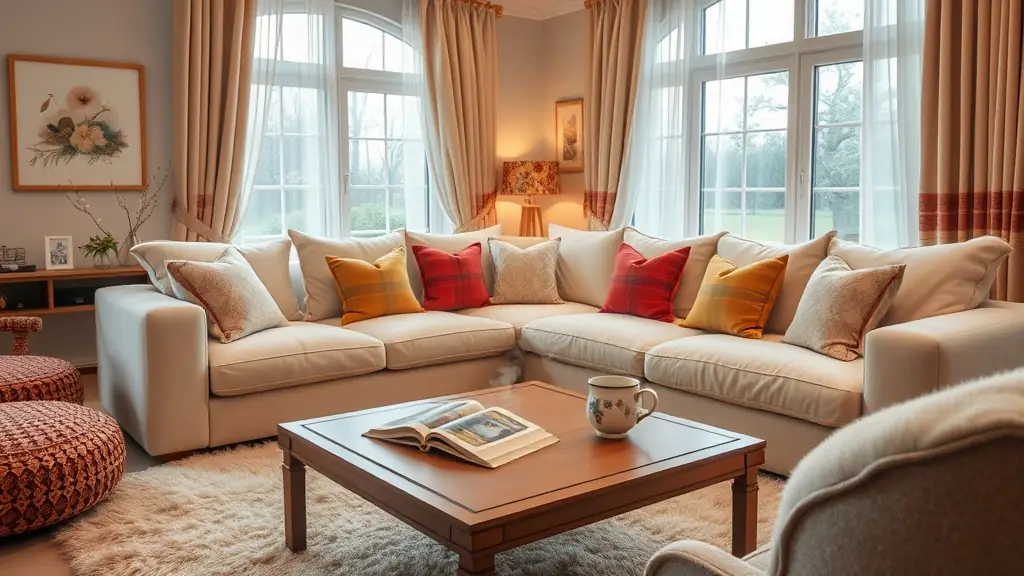
Designing a residential space is frequently treated as a purely visual exercise, but creating a truly lived-in environment requires moving past the pressure to replicate a showroom. A successfully executed interior cultivates a deep sense of intimacy and belonging, prioritizing the well-being of the inhabitants over strict aesthetic conformity. Achieving this atmosphere is less about accumulating trendy decor and more about practicing deliberate curation.
According to guidelines published by the interior design studio Coblonal Barcelona, a cozy home is not full of objects but of intentions. This approach demands selecting a few meaningful pieces and rigorously eliminating anything that does not contribute to the overall comfort of the space. By embracing intentional restraint, residents set the foundation for an environment where they feel consistently relaxed and inspired, focusing on functional harmony rather than visual clutter.
What Is the Shared DNA of Lived-In Spaces?
In recent years, specific design philosophies have been heavily promoted as the definitive answer to residential warmth. While Japanese Wabi-Sabi is frequently cited for its focus on texture and imperfection, adhering rigidly to a single stylistic label can severely limit a home’s potential. Coblonal Barcelona notes that a cozy home is one that conveys warmth, intimacy, and well-being. It is not a specific style, but a feeling perceived upon entering.
What Are Cross-Cultural Design Principles?
Instead of treating design labels as isolated rulebooks, modern interior planning benefits from recognizing the intersections between different cultural aesthetics. According to Coblonal Barcelona, varied design traditions can be well suited to creating a warm atmosphere when they emphasize foundational characteristics: simplicity, natural materials, and a functional but careful aesthetic.
By examining this shared design DNA, it becomes clear that creating a lived-in space relies on universal principles rather than geographical constraints. Whether drawing from the raw wood elements of rustic cabins, the functional minimalism of Nordic design, or the natural imperfections of Japanese aesthetics, the underlying goal remains consistent. Applying these shared philosophies allows for a highly adaptable, intentional environment that prioritizes sensory comfort over strict aesthetic purity.
How Do Colors and Materials Anchor a Space?
Translating the philosophy of intentional design into a physical space begins with the deliberate selection of colors, hard materials, and textiles. These foundational elements work together to visually ground a room and establish its baseline temperature.
Why Use Earth Tones in Interior Design?
Color palettes dictate the immediate psychological impact of a room. Guidelines from Coblonal Barcelona indicate that earth tones, beige, ochre, olive green or terracotta bring serenity and comfort. These specific hues mimic organic environments, establishing a grounded baseline that supports relaxation. Rather than relying on stark whites or aggressive primary colors, integrating these softer, nature-inspired shades on walls, large upholstery, or foundational rugs creates a seamless visual flow.
How Do Hard Materials Like Wood and Brass Affect a Room?
While soft elements are essential, the structural and hard materials in a room significantly influence its warmth. According to the design resource Making it in the Mountains, one of the simplest ways to make any space feel cozier is to bring in some warm wood tones. Whether incorporated through flooring, exposed architectural beams, or individual furniture pieces, wood introduces natural variation and visual weight.
Furthermore, the selection of metallic hardware can play a role in the room’s temperature. The same resource notes that introducing some warm brass tones is another simple way to bring some coziness to a space.
What Role Do Soft Textiles and Natural Fabrics Play?
The tactile experience of a room is just as critical as its visual composition. Coblonal Barcelona recommends natural fabrics such as linen, cotton, or wool for rugs, curtains, and cushions. These materials offer physical comfort and introduce necessary texture that synthetic alternatives often lack. Additionally, the treatment of natural light through these textiles alters the room’s atmosphere. Making it in the Mountains notes that simple white sheer curtains bring some softness to a space, effectively filtering harsh daylight into a gentler, diffuse glow.
How Can Lighting and Scent Improve a Room’s Atmosphere?
A room’s physical furnishings can be entirely undermined by poor atmospheric engineering. Invisible elements—specifically illumination and aroma—can dramatically alter the perception of a space, shifting it from sterile to intimate.
Why Should You Layer Lighting?
Instead of relying solely on single-source, high-intensity overhead fixtures, lighting can be treated as a multifaceted system. Making it in the Mountains notes that overhead lights are functional, but layering in some lamps, candles and dimmable task lighting really helps to warm up a space.
Coblonal Barcelona advises that warm, adjustable light at different heights—such as table lamps, hidden LED strips, or candles—transforms a space. Conversely, the studio warns that white or overly powerful lights take away warmth and create cold environments. By decentralizing the light sources and prioritizing warmer color temperatures, residents can influence the intimacy of the room.
How Does Scent Function as a Design Element?
Atmospheric design extends beyond the visual spectrum into the olfactory. Scent introduces an additional layer of atmospheric depth, making it a worthwhile component of a curated home. Coblonal Barcelona suggests that thoughtfully selected aromas, distributed via scented candles or diffusers, complete the sensory experience of a cozy home. This final layer of sensory input reinforces the intentionality of the space, ensuring that the environment feels actively cared for and welcoming.
What Are the Sensory Elements of a Cozy Home?
Understanding how different design pillars interact helps in applying intentional comfort to any layout. The following framework summarizes the core sensory components that can establish a lived-in atmosphere, based on published design guidelines.
| Design Element | Examples & Materials | Impact on Space |
|---|---|---|
| Color Palette | Earth tones, beige, ochre, olive green, terracotta | Establishes a grounded baseline, bringing serenity and immediate visual comfort to the environment. |
| Lighting Strategy | Layered table lamps, hidden LED strips, candles | Decentralizes illumination to transform the space, providing warm, adjustable light at varying heights. |
| Textiles | Linen, cotton, wool, white sheer curtains | Diffuses harsh natural light and introduces tactile softness, making the room feel noticeably more inviting. |
How Can You Adapt Intentional Design to Everyday Challenges?
How do I apply these principles in a very small apartment?
Limited square footage requires a highly strategic approach to functional comfort. Coblonal Barcelona advises looking vertically with shelves and open storage to maximize space without cluttering the floor plan. In compact layouts, the studio recommends creating a dedicated rest area with a comfortable armchair, a blanket, and a lamp. Furthermore, residents should prioritize efficiency by choosing modular or multifunctional furniture such as sofa beds, benches with drawers, and extendable tables. This ensures the space remains intentional and uncluttered.
How can I increase warmth without doing a full renovation?
Cultivating a lived-in atmosphere does not necessarily require structural changes or significant budgets. Aesthetic shifts can be achieved through surface-level adjustments. Coblonal Barcelona points out that residents can change covers, add a rug, or paint a wall to give their home new life without the need for construction. These targeted updates focus purely on tactile materials and color psychology, bypassing the need for invasive remodeling.
How Do Homes Adapt for Living?
As external environments grow increasingly complex and fast-paced, the function of residential design is shifting from public display to private sanctuary. Cultivating an intentional, sensory-rich space can contribute to comfort, warmth, and well-being for daily recovery. By rejecting rigid aesthetic dogmas and focusing instead on the tangible impacts of natural materials, deliberate lighting, and functional curation, modern interiors can adapt to the actual needs of their inhabitants, accommodating personal taste and functional maintenance. The future of residential design relies on this adaptability, ensuring homes remain resilient, deeply personal environments built fundamentally for living.