The Belgian Circular Fashion Paradox: Why Resale Mimics Fast Fashion and the True Local Alternatives for 2026
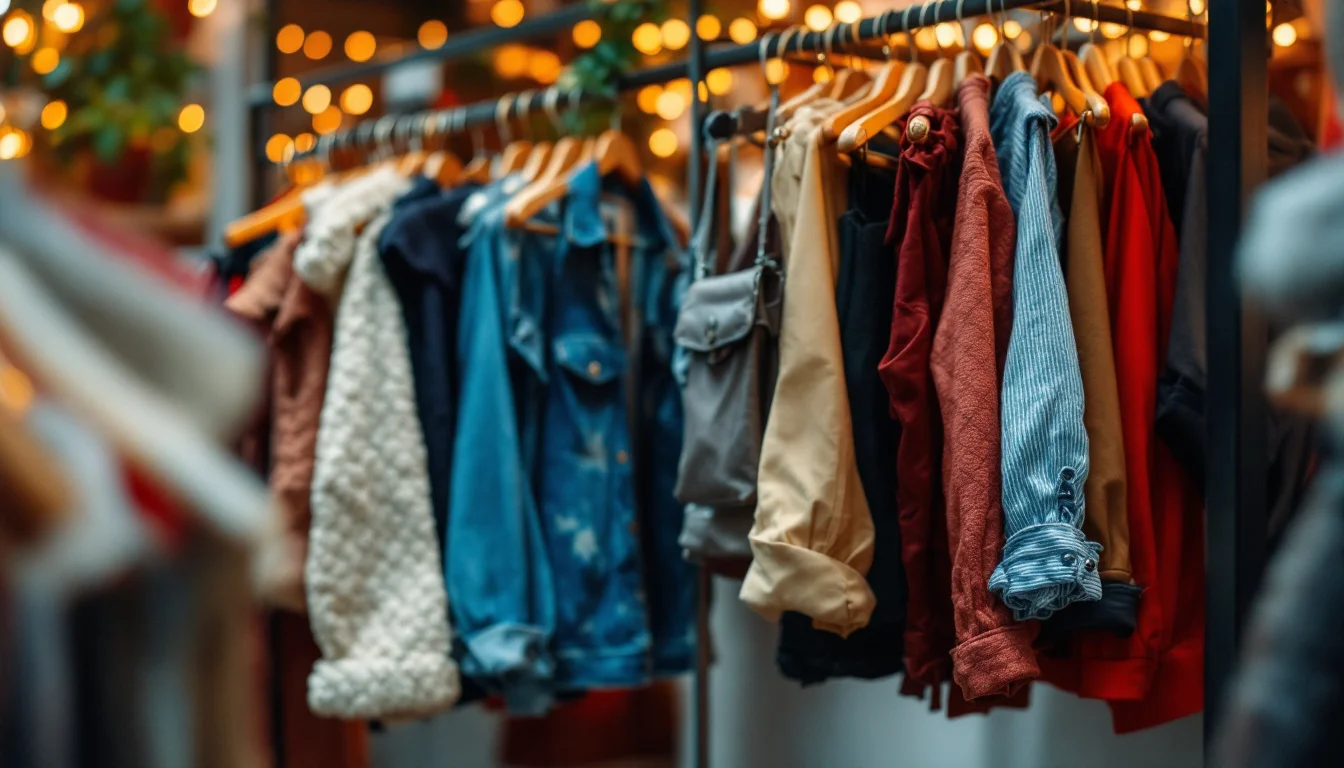
Belgian consumers are confidently clicking "buy" on pre-owned garments, believing that their digital shopping carts represent a victory for the climate. By routing clothing away from landfills and into secondary markets, shoppers hope to dismantle the traditional "take-make-dispose" linear economy. However, as the 2026 fashion landscape evolves, a more complex reality is emerging behind the screen.
What appears to be a sustainable closed loop often functions as an accelerated logistics network, moving individual low-cost items across vast distances. While secondhand commerce holds undeniable environmental potential, the dominant online models have inadvertently replicated the rapid consumption cycles they were meant to replace. Navigating this paradox requires looking beyond mass peer-to-peer platforms to discover a maturing ecosystem of hyper-local rental networks, regional upcycling workshops, stringent European transparency mandates, and proposed regulations that aim to rewrite the rules of the textile industry.
Key Takeaways
- The resale illusion: Dominant peer-to-peer platforms can inadvertently trigger "binge shopping" habits and generate hidden transport emissions, mimicking the rapid turnover of fast fashion.
- Local access over ownership: Regional rental platforms based in Antwerp offer structural alternatives that reduce cross-border shipping waste while keeping garments in active circulation.
- Shortening the supply chain: Upcycling initiatives in Ghent and Antwerp prove that utilizing surplus textiles within local social workshops creates genuine circularity.
- 2026 EU mandates: Binding new corporate transparency rules regarding textile destruction, alongside the proposed Circular Economy Act, are expected to force traditional linear brands to adapt their operations.
The Vinted Paradox: Why Resale Can Trigger a Fast Fashion Relapse
The Behavioral Cost of Infinite Choice
The online secondhand platform Vinted is the front-runner in Belgium; the Lithuanian company launched in Belgium in 2018. Vinted has amassed a substantial user base in Belgium, mirroring broader trends where the secondhand market has experienced rapid growth, significantly outpacing the regular clothing market. Its adoption has normalized the purchase of pre-owned clothing, lowering the barrier to entry for users. However, the frictionless nature of digital resale brings an unintended psychological side effect. Because items are inexpensive and constantly refreshed, shoppers buy in high volumes—an endless treadmill of trends. In other words, online reselling can unintentionally feed our disposable relationship with clothing, encouraging users to discard items just as quickly as they acquire them.
The Hidden Logistics Burden
Beyond behavioral shifts, the infrastructure supporting these transactions carries an environmental footprint. Rather than isolated exchanges, secondhand fashion relies on fragmented, long-distance shipping. Before a sale, buyers often do not know how far a garment will travel. A five-euro shirt might cross multiple national borders before reaching its destination, generating carbon emissions that undercut the ecological benefit of extending the garment's lifespan.
A Flawed Execution of a Sound Concept
Despite these systemic challenges, the core concept of keeping existing garments in circulation remains defensible when isolated from its logistical flaws. While extending the life of garments through reuse is generally beneficial, the relative sustainability of reselling compared to renting or recycling remains a subject of scientific debate and depends heavily on logistics and consumer behavior. The tension lies not in the act of reusing apparel, but in how multinational platforms have operationalized it. When secondhand fashion relies on fragmented shipping and encourages impulsive micro-transactions, it swaps the production waste of fast fashion for logistical bloat.
The Antwerp Rental Pioneer: A Shift from Ownership to Access
Rethinking Wardrobe Geography
As the limitations of cross-border resale become apparent, specialized regional operators are demonstrating what genuine circularity looks like in practice. By concentrating their operations geographically, these models reduce the transport inefficiencies associated with international peer-to-peer shipping. Dressr is a European fashion rental platform with its headquarters based in Antwerp, Belgium, offering 10-day rentals or a monthly subscription.
Localized Circulation
Unlike traditional e-commerce that scatters inventory across the continent, this subscription model relies on keeping high-quality garments moving efficiently within a defined territory. To serve its regional user base, Dressr concentrates circulation within the Benelux, ships to the Netherlands, and offers Dutch-speaking customer support while maintaining physical fittings in Antwerp.
By tethering inventory management to specific local hubs, the environmental cost of transport is minimized. Customers receive the aesthetic variety they crave without permanently acquiring garments they will only wear once. This geographic concentration proves that successful circular fashion requires a deliberate contraction of the distances clothes travel between wearers. However, rental models do carry their own limitations, specifically the environmental footprint of reverse logistics and continuous dry-cleaning between users.
Belgian Slow Fashion: Shortening the Supply Chain
Valorizing Industrial Surplus
While rental models address the consumption side of the circular economy, local producers are fundamentally restructuring the manufacturing phase. True sustainability requires intercepting waste before it enters the consumer market. Studio AMA, based in Ghent, transforms surplus textiles from local industry into unique made-to-order pieces crafted in social workshops in Flanders. By utilizing fabric that has already been manufactured but abandoned, this approach bypasses the massive water and carbon expenditures associated with virgin textile production. Furthermore, embedding the assembly process within local social workshops ensures that the economic benefits of production remain within the community.
Closing the Loop on Denim
Denim is resource-intensive, requiring immense volumes of water and chemical dyes to produce. Innovators are proving that regional supply chains can successfully reform even the heaviest polluters in the wardrobe. HNST, based in Antwerp, makes local denim using recycled cotton and recycled materials, with production based in Europe. This process involves the following steps:
- Intercepting end-of-life cotton garments.
- Mechanically recycling fibers for spinning.
- Manufacturing within a strict European radius to limit transit.
Evaluating the 2026 Alternatives: Resale vs. Rental vs. Upcycling
To understand how these distinct circular models function within the current Belgian market, it is helpful to evaluate them across their structural impacts.
| Model | Transport Impact | Behavioral Risk | Garment Lifespan Extension |
|---|---|---|---|
| Consumer-to-Consumer Resale | High (Individual long-distance shipments) | High (Treadmill of trends) | Variable |
| Subscription Rental | Low (Concentrated regional operations) | Low (Access-based) | High (Continuous circulation) |
| Local Upcycling | Minimal (Surplus textiles into made-to-order) | Minimal (Intentional purchasing) | High (Durable construction) |
Each approach serves a different segment of the sustainable fashion ecosystem. While mass platforms excel at volume, the concentrated nature of local upcycling and regional rental services offers a sturdier defense against the emissions generated by decentralized transport networks.
The 2026 Regulatory Reality: Forcing Linear Brands to Adapt
The True Scale of Textile Waste
The pivot toward local, short-chain production is no longer just an ethical choice driven by consumers; it is being aggressively mandated by the European Union. The destruction of unsold textiles in Europe generates around 5.6 million tonnes of CO2 every year, the equivalent of 1 million petrol cars, according to the Belgian public health authority (SPF Santé publique). This environmental toll has historically been treated as an invisible byproduct of linear retail, but the regulatory landscape of 2026 is stripping away that anonymity.
Mandatory Transparency and New Markets
To combat this systemic waste, new Ecodesign for Sustainable Products Regulation (ESPR) frameworks are forcing total visibility upon major retailers. Under these frameworks, companies must publish an annual report on their website detailing the number and weight of any destroyed unsold products, as well as the reasons for their destruction. This reporting requirement structurally disadvantages fast fashion brands that rely on overproduction. Conversely, it creates a favorable environment for short-chain operators in Belgium who already run zero-waste, made-to-order systems.
Simultaneously, the broader legislative framework is establishing the infrastructure needed to support circular supply chains. The Circular Economy Act, due for adoption in 2026, aims to establish a Single Market for secondary raw materials, increase the supply of high-quality recycled materials and stimulate demand for these materials within the EU. A public consultation on the Act was launched by the European Commission in August 2025, and the final text remains subject to the legislative process.
The Path to 2030
These systemic interventions are designed to accelerate the continent's transition. Currently, Europe's overall economic circularity rate is about 12%, with a goal to double it by 2030 as part of the EU's Circular Economy Action Plan. If the Circular Economy Act is adopted as proposed and standardizes secondary materials, short-chain makers already operating made-to-order would be structurally advantaged.
FAQ: Navigating Sustainable Fashion in Belgium
How can I reduce the carbon footprint of my online resale purchases?
If you choose to participate in peer-to-peer markets, adjusting your delivery method can mitigate the environmental impact of individual shipments. At Vinted you can indicate Homerr as a shipping option. Homerr uses collection points and existing routes of logistics service providers. It sometimes takes a little longer for your package to arrive, but it is much more sustainable. Consolidating deliveries into existing logistics routes prevents the disproportionate emissions caused by last-mile, door-to-door courier services.
What is the actual environmental saving of a secondhand garment?
Despite the logistical challenges of the resale ecosystem, replacing the purchase of a newly manufactured item with a pre-owned alternative yields quantifiable ecological benefits on the production side. According to figures cited by sustainable fashion platform COSH in 2021, buying secondhand saves substantial amounts of waste, water, and CO2, though the exact amounts vary widely depending on the type of garment. These figures reflect the sheer resource intensity required to grow, dye, and process virgin textile fibers.
Conclusion
The transition toward a sustainable wardrobe requires moving beyond the assumption that any secondhand transaction is inherently beneficial. By examining the logistical mechanisms behind platforms, consumers can recognize when they are simply financing an alternative form of fast fashion. As the EU pushes toward its ambitious circular economy targets for 2030, the true future of the industry resides in addressing the structural flaws of mass retail. Achieving this will require expanding municipal textile collection and processing capabilities to match legislative ambitions. Embracing these evolving systems challenges consumers to stop viewing themselves as temporary owners of disposable trends, and instead become responsible custodians of high-quality garments circulating within their own communities.