Urban Foraging in Belgium: Navigating Legal Gray Zones and Hidden Safety Risks
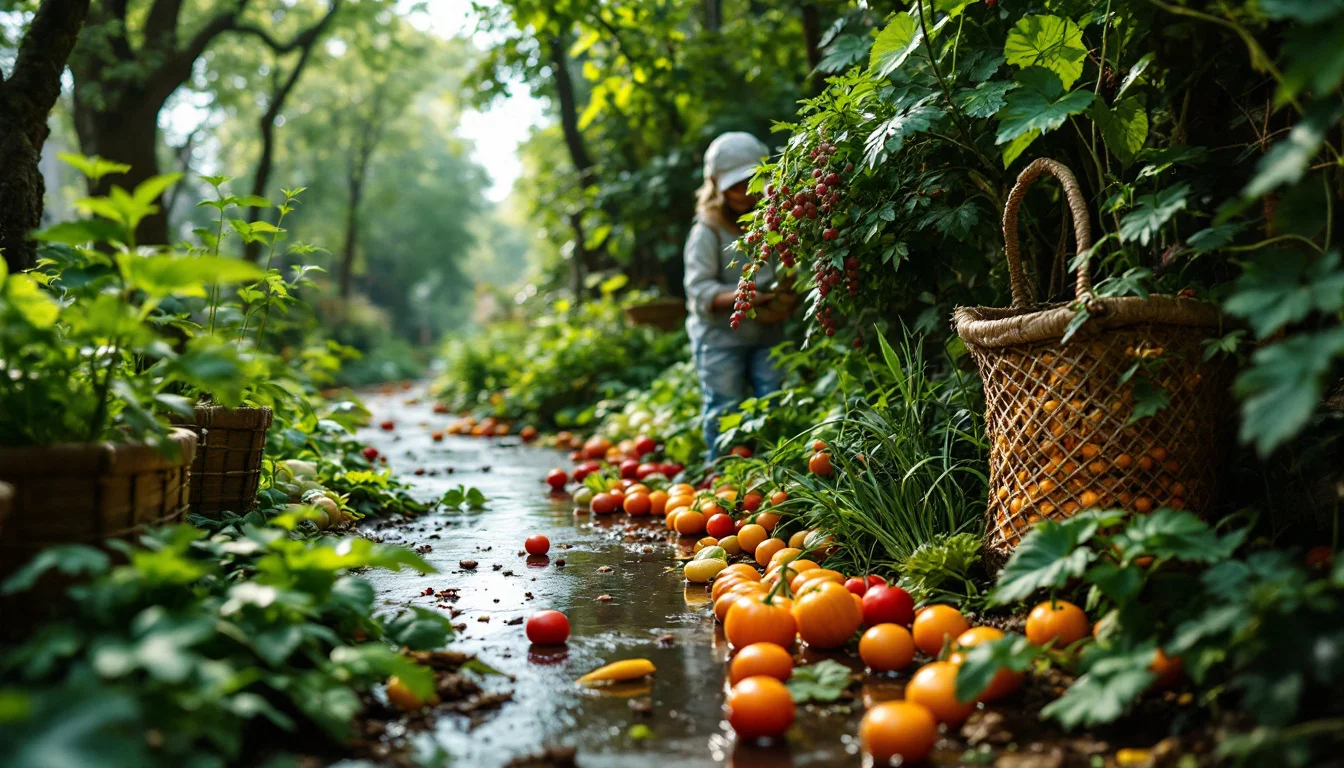
Gathering wild food from public spaces is often romanticized as an idyllic return to nature, a simple way to reconnect with the local ecosystem. However, in densely populated Belgium, the reality of urban foraging is more complex. Enthusiasts stepping off the pavement to harvest wild ingredients are immediately confronted by restrictive legal frameworks and environmental paradoxes.
Key Takeaways:
- Mushroom picking is prohibited in Flanders and Brussels (observation only).
- Foraging is permitted in Wallonia with landowner permission, capped at 10 liters per person per day.
- Foragers are often advised to observe a minimum picking height, such as 80 centimeters, to avoid biological hazards.
- The peak mushroom foraging season for many iconic species runs from September to November.
Successful urban foraging in Belgium requires mastering a fragmented legal landscape and abandoning the assumption that a landscape that appears wild automatically means the harvest is clean.
Is Urban Foraging Legally Considered Poaching in Belgium?
The legal foundation of foraging in the region surprises many newcomers. According to the outdoor publication The Patriot, foraging in the Netherlands and Belgium legally constitutes a property violation or breach of forest regulations unless a local exception applies—Wallonia being the main exception, as detailed below. This strict categorization exists because participants are harvesting from government or private property rather than their own land.
Because rules are set regionally and municipally, foragers must rely on regional guidelines. A closer examination of the regulations reveals a deeply fragmented legal landscape where the rules change entirely across regional borders.
The Regional Legal Fragmentation
The most stark contrast in Belgian foraging laws exists between the northern and southern regions. According to the foraging platform Arvenzo, in Flanders and the Brussels region, picking mushrooms is strictly prohibited; enthusiasts are only permitted to look at and photograph the fungi.
Conversely, the southern part of the country offers a more lenient, though heavily regulated, approach. In Wallonia, mushroom picking is allowed under specific conditions. Foragers must secure permission from the owner of the forest. In forests owned by the Walloon Region, classified as state forests, foraging is regulated by specific zoning restrictions rather than a general default permission.
Regulating the Harvest
Even where the practice is permitted, it is far from an unlimited harvest. The following framework outlines the reported baseline regulations for mushroom foraging across Belgian regions.
| Region | Harvest Allowed? | Maximum Quantity | Time Restrictions |
|---|---|---|---|
| Flanders | No (Observation only) | None | N/A |
| Brussels | No (Observation only) | None | N/A |
| Wallonia (Private) | Yes (With owner permission) | 10-liter bucket | Not specified |
| Wallonia (State Forests) | Yes (Subject to zoning rules) | 10-liter bucket | Sunrise to sunset |
Note: This table reflects Arvenzo's reported baseline; local municipal bylaws and nature-reserve rules can override these guidelines.
Picking mushrooms for sale is not allowed in Wallonia. Enthusiasts are always advised to verify local municipal bylaws. For example, in Walloon municipal forests, picking is sometimes reserved for residents; foragers should ask the municipality or the tourist office before harvesting. Nature reserves also often enforce outright bans. Those who violate these rules risk fines which, in some places, can range from hundreds to thousands of euros. Furthermore, in Walloon state forests, mushroom picking is only allowed between sunrise and sunset.
Is the Countryside Cleaner Than the City for Foraging?
A pervasive myth in the foraging community is that heading out into the open countryside guarantees a safer, cleaner harvest than picking within city limits. In heavily managed environments, this assumption creates a dangerous blind spot.
The Agricultural Drift
The borders of rural farmland present significant, often invisible, chemical hazards. The Patriot notes that pesticides applied to neighboring crop fields—especially heavily treated crops like potato and maize—frequently drift onto wild plants growing in the adjacent verge. This pesticide drift effectively contaminates the seemingly pristine wild flora that foragers seek out, making rural roadsides problematic harvesting grounds.
The Urban Industrial Shadow
Conversely, the urban environment harbors its own distinct dangers that require careful navigation. The primary concern in cities is not fresh pesticide drift, but legacy pollution. Historical soil contamination can persist at former rubbish tips or industrial sites that have long since been overgrown. These areas may now look green and natural, but the soil beneath can be heavily contaminated.
Navigating Transitional Spaces
Because both deep rural verges and seemingly wild urban parks carry these risks, foragers must find alternative locations. The foraging resource Flat Cap Forager notes that edible plants concentrate in transitional urban spaces—the edges between use and neglect, order and wildness.
These transitional margins, such as abandoned lots free of historical industrial use or unmanaged municipal borders, are productive because they offer the precise combination of light and disturbance that such wild plants favor. Recognizing this paradox allows urban foragers to avoid the heavy chemicals of modern agriculture while carefully sidestepping the heavy metals of past industry.
What Is the 80-Centimeter Rule for Biological Hazards?
Beyond heavy metals and synthetic pesticides, foragers must actively manage severe biological risks inherent to wild environments. The most pressing of these threats dictates exactly how and where enthusiasts can safely harvest plants.
Understanding Fox Tapeworm
A critical biological hazard in the region comes from local wildlife. According to The Patriot, fox tapeworm infection in humans occurs by ingesting eggs from infected foxes, and can cause serious liver damage. Because these eggs are deposited in the soil and on low-lying vegetation, foraging close to the ground is considered risky. Thorough cooking or heating is strongly recommended for any finds harvested from known risk areas to neutralize potential pathogens.
Implementing the 80-Centimeter Rule
To mitigate these biological dangers, general physical guidelines are often applied during the harvest. The Patriot advises picking at a minimum height of 80 centimeters from the ground as a practical rule of thumb, though there is no official scientific consensus on an exact safe threshold.
Adhering to this general height clearance is advised for two reasons: it reduces the likelihood of encountering fox tapeworm contamination, and it keeps the harvest well above the splash zone for dog feces and urine, which are ubiquitous along popular urban and peri-urban walking trails. Plants growing below this threshold in trafficked areas should be left untouched, regardless of how pristine they appear.
When Is Peak Mushroom Season and Where Can You Forage?
While herbaceous plants can often be found in transitional urban edges throughout the spring and summer, the most highly anticipated—and restricted—foraging window occurs later in the year.
The Autumn Window
Arvenzo reports that the peak mushroom season for many iconic species in Belgium runs from September to November, though other varieties can appear from early spring to late winter. Enthusiasts find that the absolute best moments for harvesting occur a few days after plenty of rain, provided the weather remains relatively mild. After the first night frost, many autumn species disappear again.
However, this window is fraught with identification risks. There are thousands of species of mushrooms in the Netherlands and Belgium. Among these thousands of varieties, many poisonous types look deceptively similar to prized edible species, requiring foragers to possess sound botanical knowledge before consuming any wild fungi.
Respecting Protected Landscapes
The pursuit of these autumn harvests often leads foragers toward the country's most pristine landscapes, which are heavily protected. Even experienced botanical experts must alter their practices to respect environmental conservation laws.
A prime example is Haus Ternell in East Belgium, which sits on the edge of the High Fens, widely considered one of the largest nature reserves in Belgium, and houses a dedicated Nature Center. Despite the proximity to this massive wild expanse, foraging within the protected borders is heavily restricted. According to Ostbelgien.eu, there are only a few edible plants in the High Fens itself. Consequently, local experts like Karin Laschet and her course guests do not forage in the reserve; instead, they pick their edible plants in the large, controlled garden belonging to Haus Ternell. This demonstrates how strict conservation rules push even the most knowledgeable foragers into adjacent, legally compliant environments.
FAQ: Navigating the Margins of Belgian Foraging
How should urban foragers handle wild plants to minimize biological risks?
To mitigate the risk of ingesting pathogens such as fox tapeworm eggs, foragers are often advised to follow general guidelines like the 80-centimeter rule, leaving low-growing plants in heavily trafficked areas untouched. Furthermore, thorough cooking or heating is strongly recommended for any finds harvested from known risk areas to neutralize potential contamination.Are there specific local restrictions to be aware of in permitted zones?
Yes. Even in regions like Wallonia where foraging is broadly allowed in state forests, municipal bylaws can impose stricter rules. In Walloon municipal forests, picking is sometimes reserved solely for local residents, so foragers should verify access with the municipality or local tourist office. Additionally, picking mushrooms for sale is strictly forbidden.What are the consequences of violating foraging regulations?
Because foraging in unauthorized areas legally constitutes a violation of property rights or forest regulations in Belgium, enforcement can be strict. Foragers who ignore regional bans, harvest in protected nature reserves without permission, or violate commercial bans risk substantial fines. According to The Patriot, in some places these penalties can range from hundreds to thousands of euros.Conclusion: A Shift in Perspective
As Belgium remains a densely populated landscape with intensive agricultural and industrial footprints, the practice of urban foraging can no longer be viewed purely as a straightforward exercise in resource extraction. Instead, it must evolve into an exercise in ecological observation and strict risk management. Navigating the legal rules and understanding the complex environmental safety matrices requires modern foragers to engage more carefully with their surroundings, transforming a simple walk in the urban margins into a thoughtful study of local ecosystems.